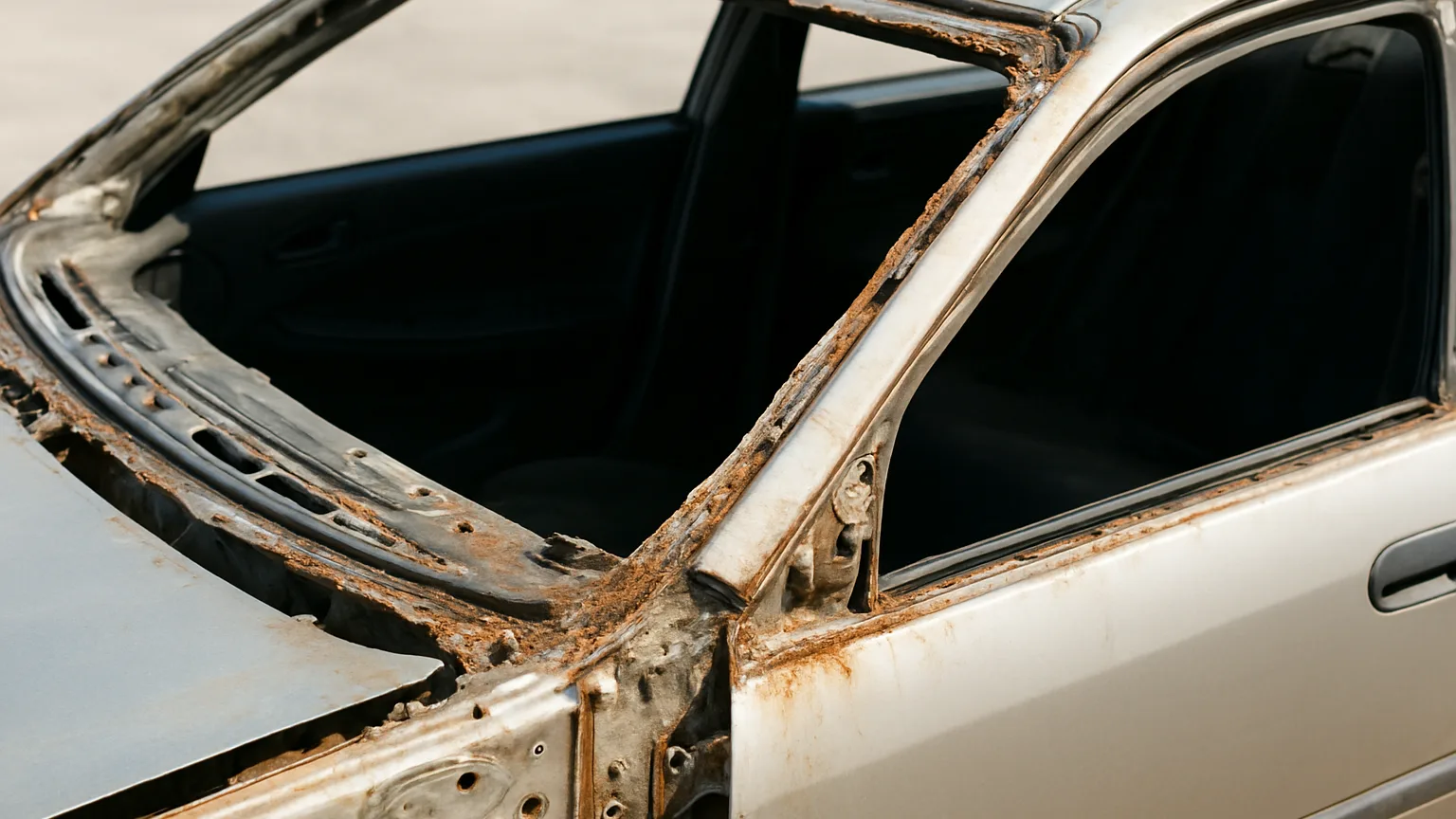
Most people picture a windshield as one solid piece that just sits in the car. It doesn't work that way. A bead of urethane glues the glass to the metal around it. If that metal is weak, bent or rusted, even brand new glass can leak, shift or fail in a crash.
This series is for drivers who are dealing with rust near the glass, waiting on body work, or sorting out repairs after a collision. It covers the side of windshield safety that rarely gets explained: the metal. Across three short parts, it follows one windshield opening from bare steel all the way to a car whose safety camera sees the road correctly.
The series was shaped with insight from the body repair team at Bell Road Automotive, whose work on the metal side of the opening shows why glass shops and body shops do their best work as a team.
Know What Holds Your Glass
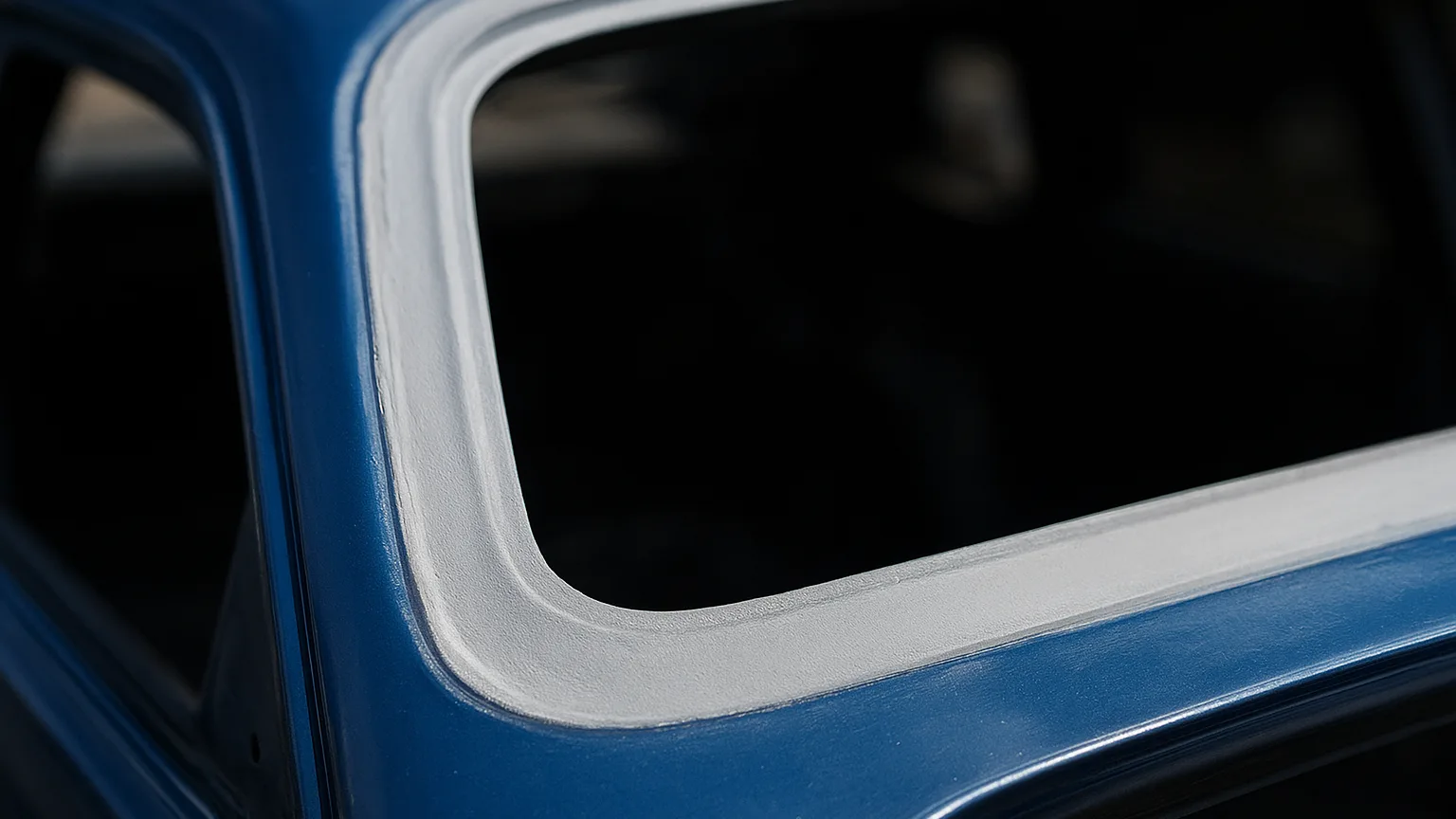
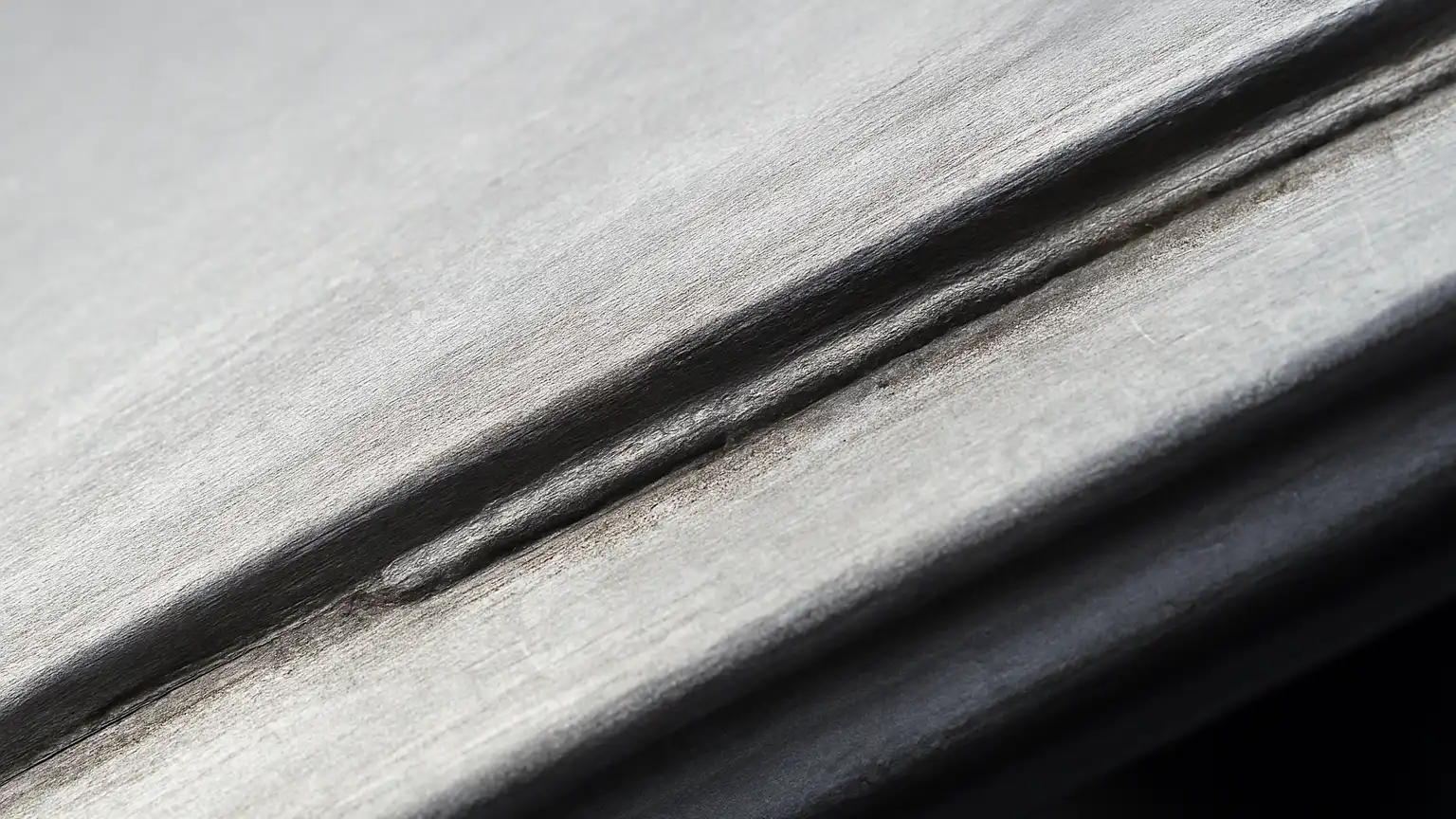
The story starts with the pinch weld. At the edge of the opening, the factory presses two body panels together and spot welds them. The result is a narrow lip of metal. That lip is the only thing the urethane can grab, so its condition decides how well the glass holds.
Rust is the big threat. Water sneaks in from an old leak, a scratch made during a past glass job, or a seal that has dried out. Then corrosion creeps under the paint where nobody sees it. Once it starts, it does not stop on its own.
The first stretch of the series makes one point very clear: rust in the opening is a body repair, not a glass problem. Glue cannot fix weak metal. Signs that the metal needs attention first include:
- Bubbling paint or orange stains near the edge of the glass
- Water on the dash or a damp headliner after rain
- Wind noise that shows up after an older windshield job
- Flaking metal found when the old glass comes out
When this happens, the right fix is to cut out or treat the bad metal, restore it, prime it, and then set the new glass.
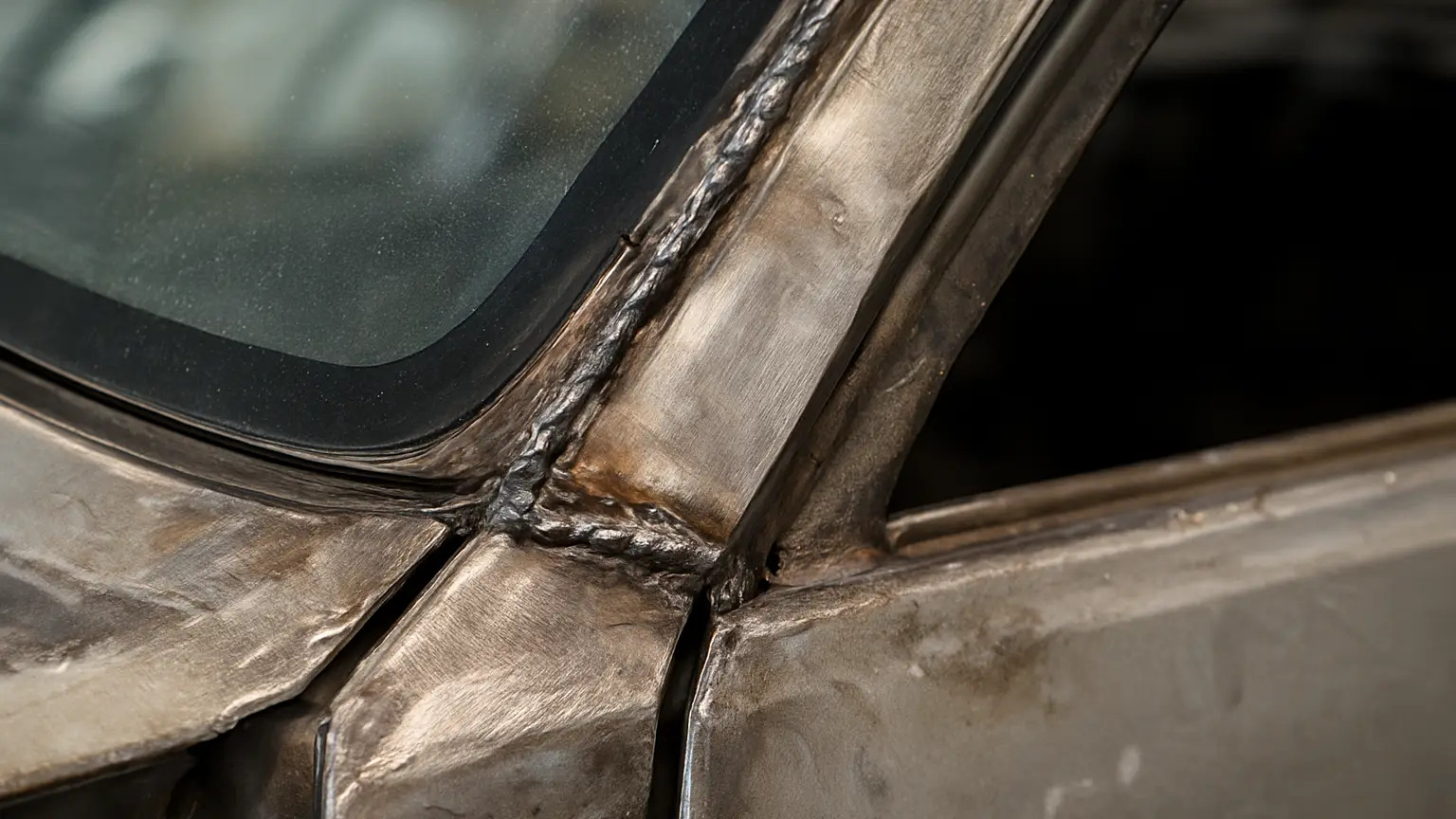
Some body repairs sit so close to the glass that the glass has to leave the car. Think pillar straightening, roof work or quarter panel repairs. A common shortcut is to tape over the windshield, weld or pull the metal next to it, paint, and send the car home. The glass looks fine because it never moved.
The trouble is hidden. Urethane does not handle heat, flexing or paint fumes well. A bond that looks perfect can be weak underneath, and the owner may not find out until a leak shows up or a crash puts it to the test. The middle of the series shows how removing the windshield, back glass or quarter glass lets the body tech restore the opening and the glass tech set a clean, fresh bond.
One Set Order After a Collision
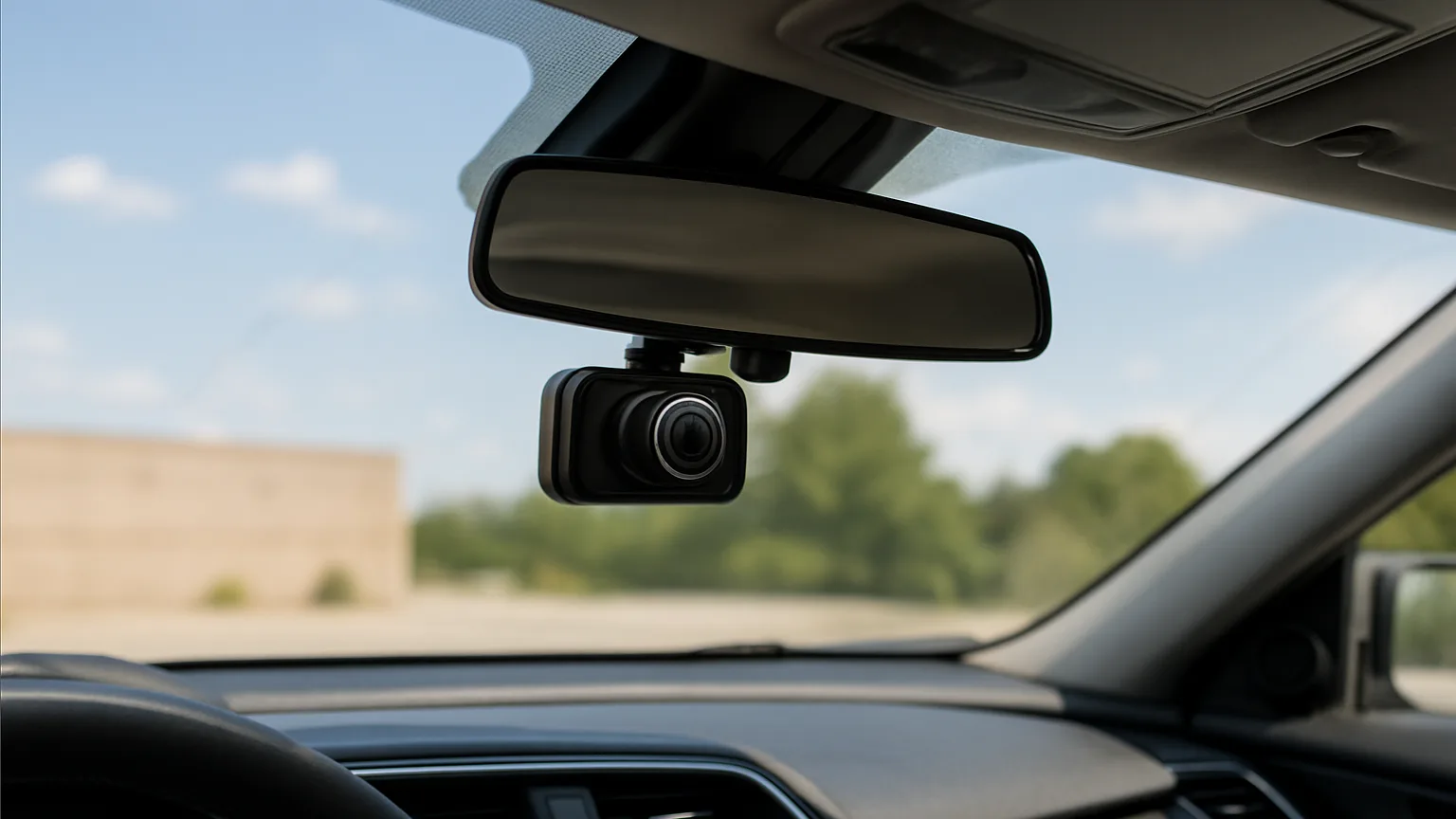
After a crash, the order of the work matters as much as the work itself. The camera behind your mirror measures angles. It assumes the body is straight, the glass is seated right and the wheels point where the body points. Each step builds on the one before it:
- Structure: the body is brought back to factory measurements.
- Glass: the windshield is set into a true opening.
- Alignment: the wheels are set to match the body.
- Calibration: the driver-assist camera is aimed last, using a car that is finally square.
Skip ahead and the camera still sees a road. It just sees it at the wrong angle, which can throw off lane keeping and braking alerts.
Start Where Your Car Is Right Now
Each part below stands on its own, but they build like the repair itself. Reading from part 1 gives you the full picture, from the metal lip that holds the glass to the final camera check.
If you already know your situation, jump in where it fits. Rust near the glass points to the first part. Pillar or roof work points to the second. A recent collision points to the third.
FAQ
What is a pinch weld on a car?
It is the thin strip of welded metal around the windshield opening. The urethane that holds your windshield bonds directly to it.
Can a new windshield go in over a rusty pinch weld?
It should not. Rust weakens the bond and keeps spreading, so the metal needs a proper body repair before any glass goes in.
Does the windshield have to come out for pillar or roof repairs?
Often, yes. Heat, welding, pulling and paint fumes near the glass can weaken the urethane bond, so removing and reinstalling the glass is the safer choice.
Why does calibration come last after a collision?
The camera's view depends on a straight body, correctly set glass and aligned wheels. If you calibrate before those are right, the system learns the wrong angles.