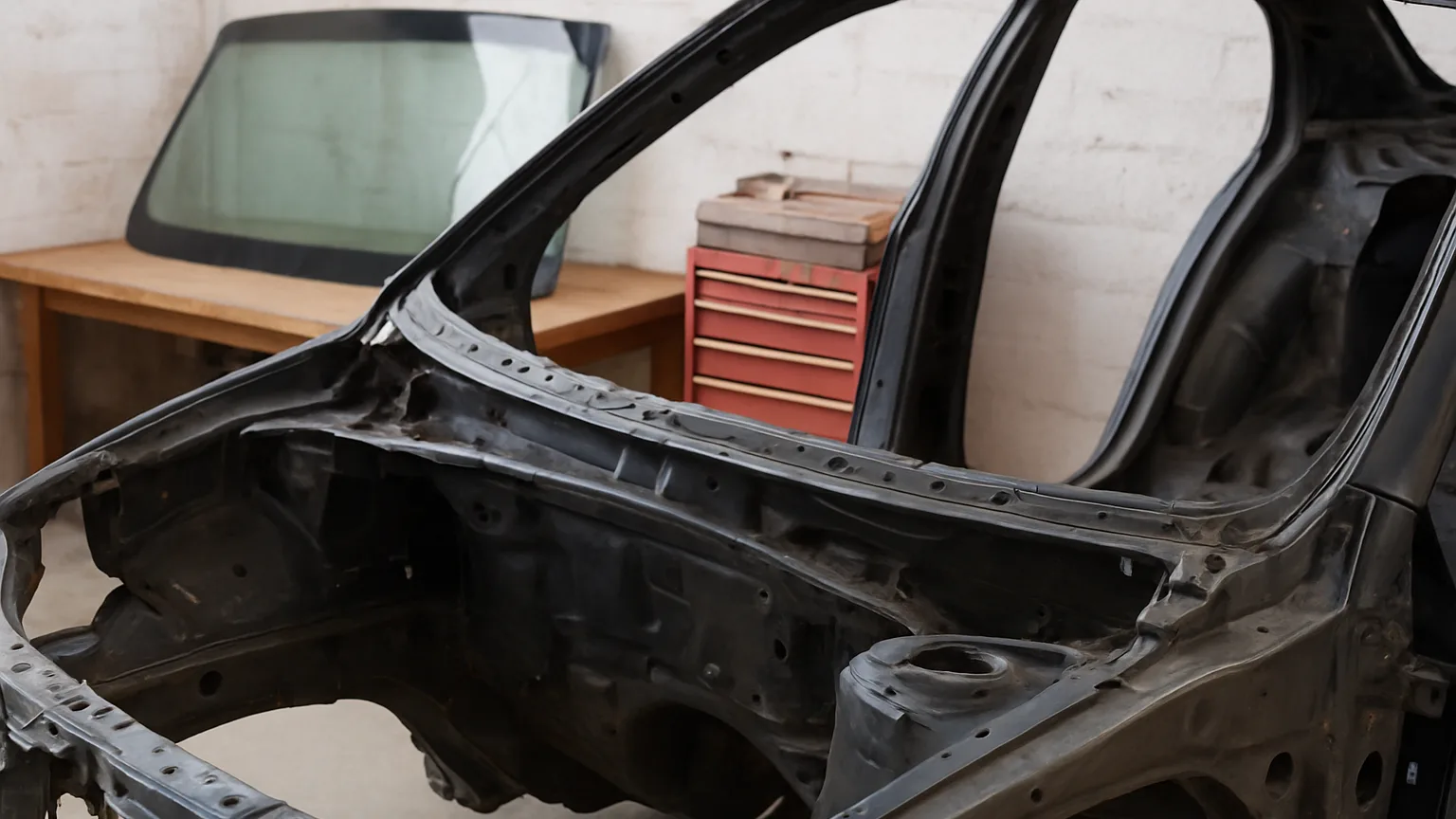
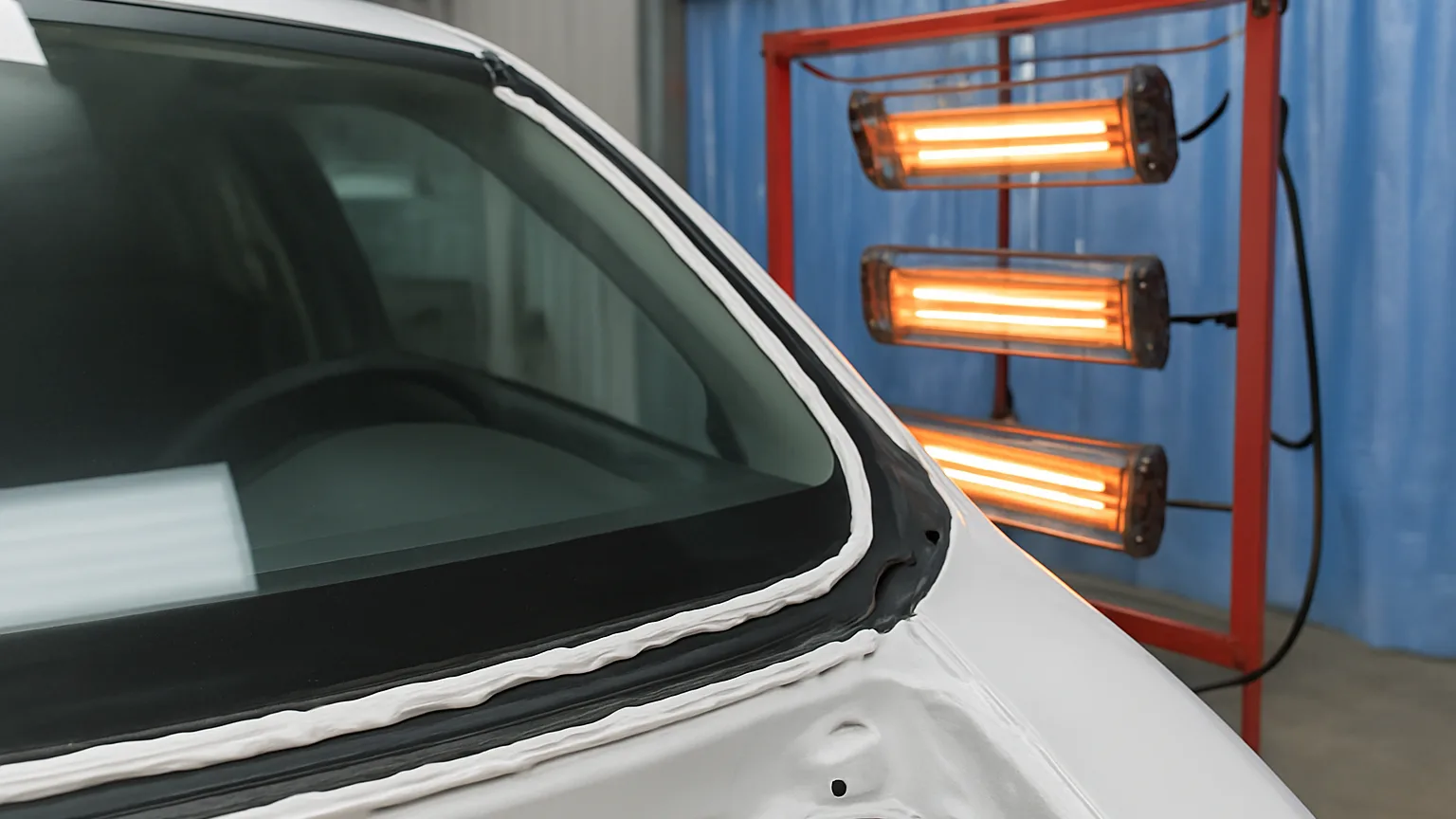
Part one showed how [[RUN_LINK_1|rust in the pinch weld]] has to be fixed as metal work before new glass goes in. This part looks at a bigger job: body repairs so close to the glass that the glass itself has to come out first.
This series was shaped with insight from the body and repair team at Bell Road Automotive, whose hands-on view of the metal side helps explain why glass and body work belong on the same plan.
Here is the shortcut some shops take. They tape over the windshield, pull or weld the pillar next to it, paint, and send the car home. The glass looks fine. It never moved. So what is the harm?
The harm is hidden. Urethane, the glue that holds your windshield, does not like heat, flexing or fumes. Welding a few inches away can cook it. Pulling a bent pillar back into shape can stretch it or tear it loose. The car leaves looking perfect, with a bond that may already be failing.
Not every dent near a window means the glass must go. But some repairs touch the opening itself, and those leave no real choice. These are the most common ones:
- A-pillar straightening or sectioning. The front pillars frame the windshield. Moving them even a little changes the shape of the opening.
- Roof skin replacement. The front and rear edges of the roof are part of the windshield and back glass openings.
- Quarter panel replacement. The new panel often carries the flange for the back glass and any quarter glass.
- C-pillar and roof rail work. Rollovers and side hits often bend these, and they hold the rear glass.
- Heavy hail repair. Large roof dents near the edges may need tools that reach under the bond line.
In each case, the body tech needs open access to the flange to weld, seal, prime and protect it from rust. You cannot do that through glass.
The kind of glass matters too. Your windshield is laminated, while most back and quarter glass is tempered, and the types of windshield glass behave very differently when removed. Laminated glass can sometimes be saved. Tempered glass may shatter if it is stressed during removal, and encapsulated quarter glass, with its molded rubber frame, is often replaced rather than reused. A good shop plans for this before the car is torn down, not after.
The best results come when both teams treat the opening as a shared job. One side restores the metal. The other sets the glass. The handoff in the middle is where most problems start or stop.
A clean handoff usually follows this path:
- The glass tech removes the glass, notes any sensors or cameras, and orders one-time clips and moldings.
- The body shop repairs the opening and checks it against factory measurements.
- The flange gets corrosion protection, but no seam sealer or paint overspray lands on the bonding surface.
- Paint cures fully, so fumes and soft coatings do not weaken the new urethane.
- The glass tech dry fits the glass, primes any bare spots, and bonds it with the right urethane.
- The car sits until the safe drive-away time has passed.
Bell Road Automotive points out that openings tend to rust and fail sooner on cars with clogged cowl and sunroof drains, which is one reason sticking to manufacturer-recommended service intervals matters even after a repair is done. A fresh bond still needs dry metal around it to last.
Warning Signs the Bond Was Rushed
A weak bond does not always show up on day one. Watch for wind noise at highway speed, water stains on the headliner, a damp carpet after rain, or moldings that lift at the corners. Any of these after a pillar or roof repair is worth a second look.
This is about more than leaks. A well-bonded windshield helps hold the roof up in a rollover and gives the passenger airbag something firm to push against. That is why the type of glass used in your windshield, and how well it is bonded, matter so much once the metal around it has been cut or moved.
Even a perfect bond is only one step. Once the structure is right and the glass is back in, the car still needs alignment and, on newer models, camera calibration. Doing those out of order can undo good work, which is why the next part walks through the right sequence for [[RUN_LINK_3|calibrating driver-assist cameras]] after a crash.
Same Opening, Two Trades, One Strong Seal
Pillar, roof and quarter panel repairs reach right into the edge of the glass. Taping over a windshield and welding beside it can cook the urethane, stretch the bond and leave bare metal no one can protect. Pulling the glass gives the body shop room to fix and seal the flange the right way, and gives the glass tech a clean, correct opening to bond into.
When both trades plan the job together, the car comes back quiet, dry and safe. Ask your shop up front whether the glass will come out, who handles it, and how long the car will sit before you drive it. Those three answers tell you a lot about how well the opening and the glass will hold together for years to come.